
About Research Antarctica
How has Climate Change affected Antarctica?
People and Scientists go down to Antarctica to research the different climates. 90%of the worlds ice is in the arctic. if it all melted the global sea level would go up 60 to 70 meters more. deep down there is ice from thousands and thousands of years ago. scientists are intrigued to find ice from 1 million years ago and there is a race to find out how much the earths temperature has changed in the past and that can help us see what the climate is doing now compared to then.
What are some of the considerations for people living, researching, and working in Antarctica?
To work in Antarctica, you must be: Young healthy and ready to work long hours. You have to be able to Live without: fast food, a PlayStation, TV and social media. To work in Antarctica, you need to be able to cope with extreme cold and live with long, dark days and nights. It is critical to be able to work well as part of a team, Mix easily with people from different backgrounds and ages, Have a good sense of humor, Enjoy outdoor activities and don’t mind getting your hands dirty. Without all those skills you will not enjoy the Arctic as much as you could.
There are over 40 rules that people going Antarctica have to follow but they fall under categories. The categories are Protect Antarctica’s wildlife, Respect protected areas, Respect scientific research, Keep Antarctica pristine, Be Safe, Landing and Transport requirements. These rules are made to keep Antarctica a safe and clean place.
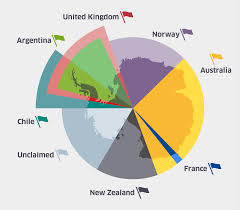
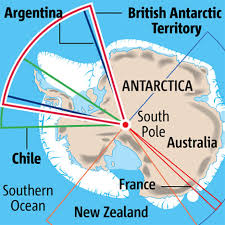
Scientists from all over the world have come to Antarctica to research and discover new things. The north pole is just ice but Antarctica is a continent which means under kilometers of ice there was rocks and mountains the stretch of land 2 times Australia but its not a country that’s why there is no Arctic flag or national anthem. no one really owns but Argentina, the United Kingdom, Norway, Australia, France, New Zealand and Chile have claimed parts. Australia owns the most of Antarctica but there is still an unclaimed space between New Zealand and Chile.



 Research in Antarctica